When Riley Hospital for Children issues a diagnosis suggesting child abuse, many Indiana parents feel like their world has suddenly collapsed.
A medical opinion from Riley often triggers:
Immediate involvement from the Indiana Department of Child Services (DCS)
Emergency safety plans or removal of the child
A CHINS case in juvenile court
Possible criminal charges against a parent or caregiver
In those moments, parents often ask the same question:
Is this diagnosis final?
The answer is no. A Riley child abuse diagnosis can be challenged—but doing so requires immediate action, experienced legal counsel, and independent medical review.
Why Riley Hospital Diagnoses Carry So Much Weight
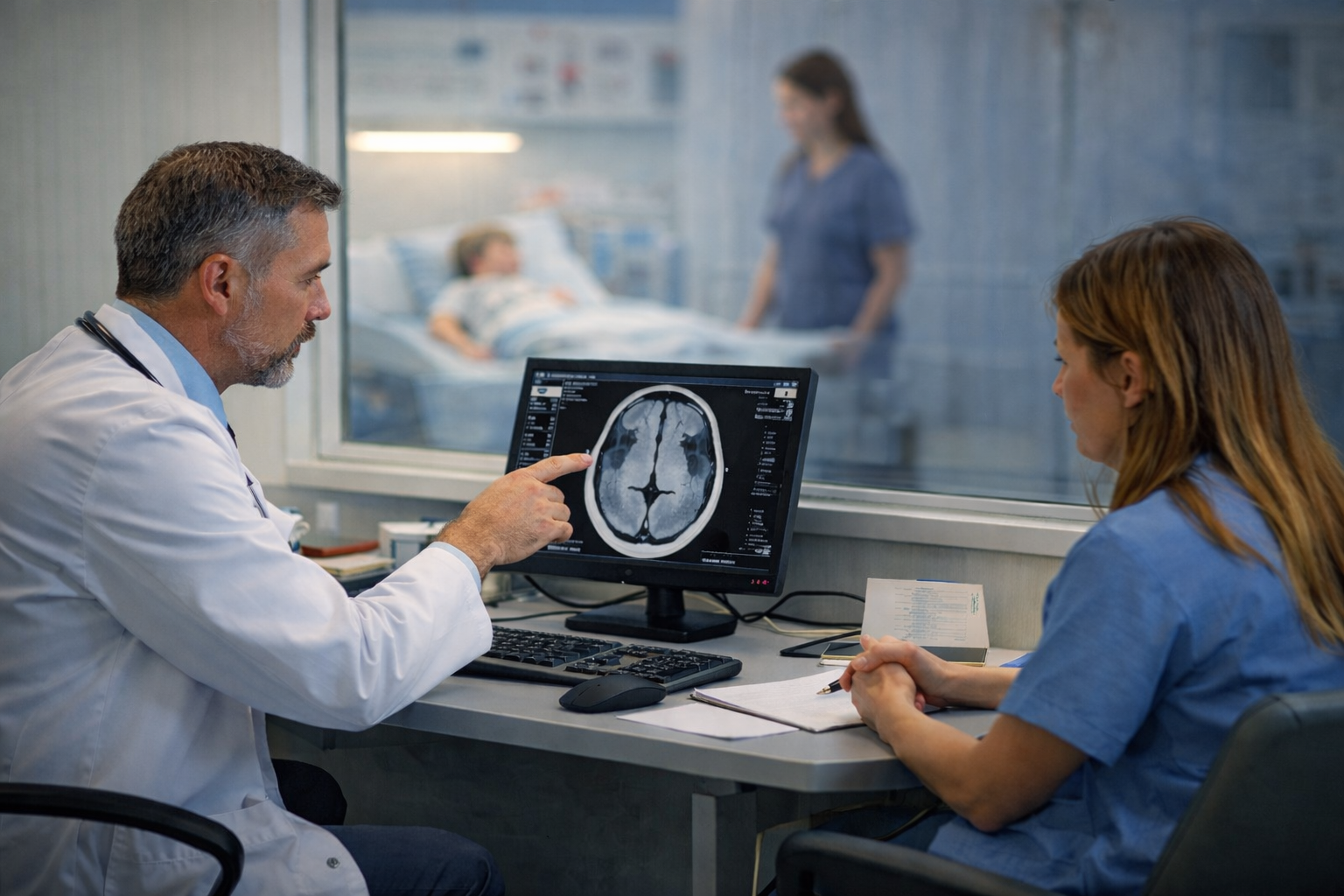
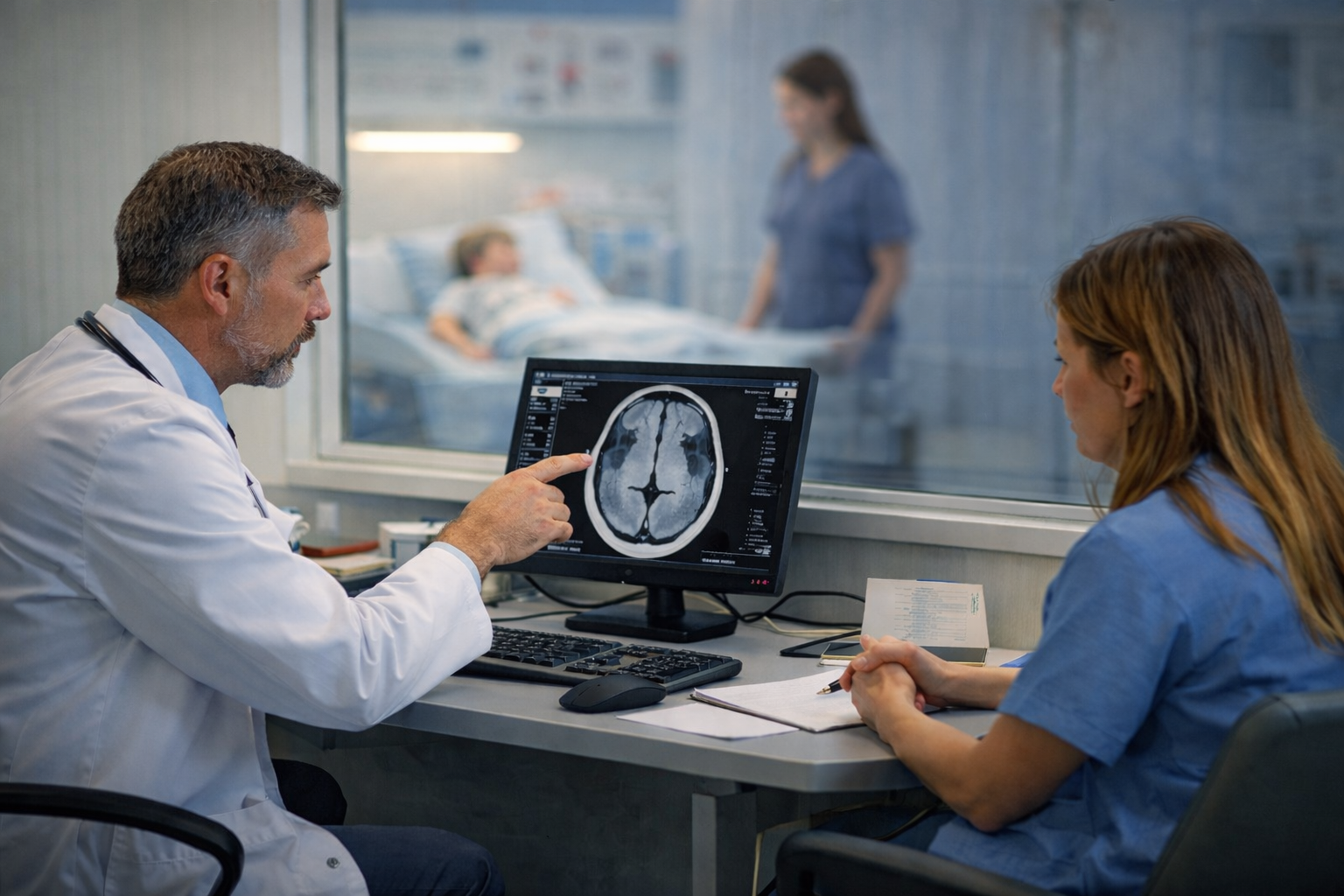
Riley Hospital for Children houses one of Indiana’s primary Child Protection Programs, staffed by board-certified child abuse pediatricians.
These physicians are specially trained to evaluate suspected child maltreatment. Riley’s program—known as Pediatric Evaluation and Diagnostic Services (PEDS)—consults on thousands of cases each year and works closely with DCS investigators and law enforcement.
Because of this institutional role, Riley physicians are frequently treated as authoritative expert witnesses in court.
Judges, prosecutors, and DCS case managers often rely heavily on their opinions when deciding whether:
A child should be removed from the home
A CHINS case should be filed
Criminal charges should be pursued
As a result, the Riley diagnosis often becomes the foundation of the entire case.
What Usually Happens After a Riley Abuse Diagnosis
Once Riley’s Child Protection Team concludes that injuries are “consistent with abuse” or “most consistent with non-accidental trauma,” events typically move very quickly.
In many cases:
DCS receives a formal report from the hospital
A Family Case Manager (FCM) is assigned
A DCS investigation begins immediately
A safety plan may restrict a parent’s contact with the child
A CHINS petition may be filed under Indiana Code § 31-34-1
Law enforcement may open a criminal investigation
In both civil and criminal proceedings, the Riley diagnosis often becomes the central piece of evidence.
Medical Findings That Often Trigger Abuse Allegations
Certain medical findings frequently lead child abuse pediatricians to suspect non-accidental trauma. However, many of these findings can also occur in medical conditions, accidental injuries, or developmental disorders. Careful evaluation of alternative explanations—known as “medical mimics” of abuse—is an essential part of responsible medical practice.
Abusive Head Trauma (AHT)
Abusive Head Trauma is often diagnosed when a child presents with findings such as:
Subdural hemorrhage (bleeding around the brain)
Retinal hemorrhage (bleeding in the eyes)
Brain swelling
Skull fractures
These findings are sometimes attributed to violent shaking or impact, particularly when physicians believe the caregiver’s explanation does not match the injury.
However, medical literature recognizes that several conditions can produce similar findings, including:
Birth-related trauma: Subdural bleeding can occur during difficult or instrument-assisted deliveries and may persist for weeks after birth.
Benign Enlargement of the Subarachnoid Spaces (BESS): This developmental condition can make infants more susceptible to subdural bleeding even after relatively minor trauma.
Accidental falls: Short-distance household falls—such as from furniture or while being carried—have been documented in medical literature to occasionally cause serious head injuries.
Bleeding disorders: Conditions such as hemophilia, von Willebrand disease, or platelet disorders can increase the likelihood of spontaneous or disproportionate bleeding.
Metabolic or genetic disorders: Rare conditions affecting connective tissue or vascular integrity may predispose infants to bleeding.
Re-bleeding of prior injury: An older subdural collection can re-bleed with minimal trauma, sometimes creating the appearance of a new injury.
Because these findings can have multiple potential causes, independent neuroradiology and neurology review is often critical in cases involving alleged abusive head trauma.
Multiple Fractures
Doctors may suspect abuse when:
A child has fractures in different stages of healing
Fractures occur in unusual locations, such as posterior ribs
Imaging reveals corner or bucket-handle fractures of long bones
These injury patterns are sometimes interpreted as evidence of repeated trauma. However, several medical and developmental conditions can affect bone strength and fracture risk, including:
Osteogenesis imperfecta: A genetic disorder that causes fragile bones and increases susceptibility to fractures.
Metabolic bone disease of infancy: Disorders involving calcium, vitamin D, or phosphate metabolism can weaken bones.
Rickets: Vitamin D deficiency can lead to bone softening and fracture susceptibility.
Prematurity-related bone fragility: Premature infants may have reduced bone mineralization.
Birth-related injuries: Some fractures—particularly clavicle fractures—can occur during delivery and may only be discovered later during imaging.
Medical conditions affecting bone density: Certain genetic or endocrine conditions can impair bone strength.
In some cases, radiographic findings that appear suspicious may also represent normal developmental variations or healing from previously undetected injuries.
Because of these possibilities, evaluation by pediatric orthopedic specialists or genetic experts may be necessary before concluding that fractures are the result of abuse.
“Inconsistent History”
Another factor that often raises suspicion is when the caregiver’s explanation appears inconsistent with the medical findings.
For example, physicians may question whether a described fall or accident could realistically produce the observed injuries.
However, determining whether an explanation is truly “inconsistent” can be complicated. Several factors can affect how events are reported, including:
Stress or shock: Parents describing traumatic events may struggle to recall details clearly.
Incomplete information: Caregivers may not have witnessed the injury itself.
Language barriers or communication difficulties
Misinterpretation of medical findings: Physicians may assume certain injuries cannot occur in particular scenarios even though biomechanical evidence suggests otherwise.
Delayed symptom presentation: Some injuries may not produce immediate symptoms, making it difficult to identify the exact moment they occurred.
In many cases, what appears initially to be an “inconsistent history” may simply reflect uncertainty about how the injury occurred, rather than evidence of abuse.
Bruising in Non-Mobile Infants
Bruising in infants who are not yet crawling or walking is often considered concerning because these children generally have limited mobility and fewer opportunities for accidental injury.
However, bruising in infants can also occur for other reasons, including:
Bleeding disorders, such as platelet dysfunction or clotting deficiencies
Vitamin deficiencies, including vitamin K deficiency
Connective tissue disorders, which may cause fragile blood vessels
Accidental handling injuries, particularly in active infants beginning to roll or move
Birth-related bruising, which may persist for some time after delivery
Dermatologic conditions that can resemble bruising
In addition, some medical conditions can cause skin findings that mimic bruises, leading to potential misinterpretation.
Because bruising patterns can have many causes, physicians must carefully evaluate medical history, laboratory testing, and developmental stage before concluding that bruising resulted from abuse.
Are Riley Diagnoses Final or Unchallengeable?
No.
A diagnosis of child abuse—even when issued by a respected institution like Riley Hospital—is a medical opinion, not a judicial finding of fact.
Like all medical conclusions, it is based on the physician’s interpretation of available information, which may include:
Medical imaging such as CT scans, MRIs, or X-rays
The child’s medical history and developmental background
Statements from caregivers or witnesses about what occurred
Physical examinations and clinical observations
Reasonable physicians can sometimes interpret the same medical evidence differently. For that reason, courts do not treat medical opinions as unquestionable truths. They are evidence—important evidence—but evidence that can be examined, tested, and challenged.
That is why independent medical review is often critical in cases involving allegations of abusive injury. A second opinion from qualified specialists can sometimes reveal alternative explanations that were overlooked during the initial evaluation.
The Importance of Differential Diagnosis
Good medical practice requires physicians to consider alternative explanations for a patient’s symptoms or injuries. This process is known as differential diagnosis.
In suspected abuse cases, a thorough differential diagnosis should evaluate whether medical or accidental causes could explain the findings before concluding that abuse occurred.
Depending on the circumstances, potential alternative explanations may include:
Birth-related trauma, which can sometimes cause subdural bleeding or other injuries that persist after delivery
Short-distance household falls, which in rare cases can produce significant injuries in young children
Benign Enlargement of the Subarachnoid Spaces (BESS), a condition that can make infants more susceptible to subdural bleeding
Genetic or metabolic bone disorders that increase fracture susceptibility
Bleeding disorders that can lead to spontaneous or disproportionate bleeding
Re-bleeding from prior injuries, where an older injury begins bleeding again with minimal trauma
If these possibilities are not carefully considered and ruled out, the resulting diagnosis may be incomplete—or even incorrect.
For families facing allegations based on medical findings, ensuring that a complete differential diagnosis has been performed is often a critical part of defending their case.
How Riley Diagnoses Affect Indiana CHINS Cases
When a hospital concludes that a child’s injuries are “consistent with abuse,” that medical opinion often becomes the centerpiece of a Child in Need of Services (CHINS) case.
Under Indiana law, the state must prove two essential elements to establish that a child is a CHINS:
The child’s physical or mental health is seriously endangered, and
Coercive intervention of the court is necessary to protect the child.
These requirements come from Indiana Code § 31-34-1-1 and § 31-34-1-2.
When physicians from Riley Hospital testify that injuries are consistent with non-accidental trauma, the Indiana Department of Child Services (DCS) frequently relies on that opinion to argue that the child has been seriously endangered and that court intervention is necessary.
Because of the hospital’s reputation and the specialized training of child abuse pediatricians, these medical opinions can carry substantial weight in court. In many cases, they become the primary evidence supporting the CHINS petition.
However, a medical opinion alone does not automatically prove that abuse occurred. Courts must still evaluate the evidence presented and determine whether DCS has met its legal burden.
Indiana’s CHINS Presumption Statute
Indiana law also contains a powerful evidentiary tool that DCS sometimes uses in medical-injury cases.
Under Indiana Code § 31-34-12-4, a child may be presumed to be a CHINS if the state presents evidence showing:
The child suffered an injury
The parent or caregiver had custody or control of the child at the time
The injury is of a type that would not ordinarily occur without the act or omission of a caregiver
There is a reasonable probability that the injury was not accidental
When this presumption applies, the burden effectively shifts to the parents to rebut the inference of abuse.
This makes the medical interpretation of the injury extremely important. If the underlying medical conclusion is incomplete or incorrect, the presumption itself may be flawed.
For that reason, challenging the medical diagnosis can be a critical part of defending a CHINS case.
What Happens at a CHINS Fact-Finding Hearing
CHINS cases ultimately proceed to a fact-finding hearing, which functions much like a civil trial.
At this hearing, DCS presents evidence to support the allegations in its petition. In medical injury cases, physicians from Riley Hospital often testify as expert witnesses.
Under Indiana Evidence Rule 703, expert witnesses may base their opinions on materials reasonably relied upon by professionals in their field. This can include:
Hospital records
Radiology imaging such as CT scans or MRIs
Reports from consulting physicians
Information gathered by DCS investigators
After hearing the evidence, the judge must determine whether DCS has proven its case by a preponderance of the evidence.
Because these cases often hinge on medical interpretation, the testimony of Riley physicians can become one of the most influential pieces of evidence before the court. At the same time, those opinions remain subject to cross-examination and competing expert testimony.
How Riley Diagnoses Can Lead to Criminal Charges
In some situations, a hospital’s conclusion that injuries are consistent with abuse does not remain confined to juvenile court. The same medical findings may also lead to criminal prosecution.
Under Indiana Code § 35-46-1-4, a person who knowingly or intentionally places a dependent in a situation that endangers the dependent’s life or health commits Neglect of a Dependent.
The severity of the offense depends on the result of the alleged conduct:
Level 6 felony – basic offense
Level 5 felony – if the conduct results in bodily injury
Level 3 felony – if it results in serious bodily injury
Level 1 felony – if an adult’s conduct results in death or catastrophic injury to a child under fourteen
Although criminal cases require proof beyond a reasonable doubt, prosecutors often rely on the same medical opinions that form the basis of the CHINS case. As a result, the hospital’s diagnosis can become central to both proceedings.
How a Riley Child Abuse Diagnosis Can Be Challenged
Challenging a child abuse diagnosis typically requires a comprehensive defense strategy that combines medical expertise, investigation, and legal advocacy.
One of the most important steps is obtaining independent medical review. Defense teams often consult specialists such as neuroradiologists, pediatric neurologists, hematologists, biomechanics experts, or physicians who specialize in metabolic or genetic disorders. These experts can review the same medical imaging and records and determine whether the findings may have alternative explanations.
Equally important is conducting a complete review of the child’s medical history. Initial hospital evaluations sometimes occur under emergency conditions, and important information may not be immediately available. Birth records, developmental history, prior pediatric visits, family medical conditions, and earlier injuries can all provide context that affects how medical findings are interpreted.
Another key component of defending these cases is effective cross-examination of expert witnesses. At hearings and trials, Riley physicians may be questioned about the certainty of their conclusions, whether they fully considered alternative diagnoses, limitations within the medical literature, inconsistencies in the medical record, and whether the proposed mechanism of injury is scientifically plausible.
Careful cross-examination, combined with testimony from independent experts, can sometimes reveal weaknesses in an abuse diagnosis that initially appeared definitive.
Mistakes Parents Often Make After a Riley Diagnosis
Families confronted with allegations of abuse are often under extraordinary stress. In that situation, certain decisions can unintentionally make the situation worse.
Parents sometimes assume that because the diagnosis comes from a respected hospital, it cannot be questioned. Others attempt to explain the situation to investigators without legal counsel, not realizing that their statements may later be used in court. Some families delay seeking medical experts or sign safety plans without fully understanding the legal consequences.
Early legal guidance can help families avoid these mistakes and make informed decisions about how to respond.
Strategic Issues in Medical-Based CHINS Cases
Cases involving complex medical allegations require careful coordination.
One critical step is preserving medical evidence. Independent experts often need access to the original imaging files, such as CT scans, MRIs, and X-rays—not simply the written reports describing them.
It is also important to coordinate the defense of both CHINS and criminal proceedings when they arise from the same allegations. Statements made in one case may affect the other, and legal strategy must account for both.
Finally, even when an injury is undisputed, DCS must still prove that coercive court intervention is necessary. If parents are willing and able to address concerns voluntarily, this element of the CHINS statute may be subject to challenge.
When to Contact an Indiana CHINS Defense Attorney
If Riley Hospital has issued a child abuse diagnosis involving your child, seeking legal advice as early as possible can be critical.
An experienced CHINS defense attorney can help protect your rights during a DCS investigation, obtain independent medical review, challenge questionable medical conclusions, defend against CHINS allegations, and coordinate defense if criminal charges are possible.
The earliest stages of the case often shape the outcome, which is why prompt legal guidance can make a significant difference.
Protect Your Family and Your Rights
A Riley Hospital child abuse diagnosis is not the final word.
Medical conclusions can be examined, tested, and challenged through independent experts, careful investigation, and strong legal advocacy. With the right strategy, families may be able to identify alternative medical explanations, challenge unsupported conclusions, protect their parental rights, and work toward reunification with their children.
If your family is facing allegations based on a hospital diagnosis, experienced legal representation can help you navigate this complex process.
Vining Legal represents Indiana parents in CHINS and child abuse cases involving complex medical allegations.
To discuss your situation confidentially, call or text (317) 759-3225 or schedule a consultation online.