How Two Indiana Cases Show Very Different Medical Stories
For parents, few things are more frightening than rushing a baby to the hospital and being told something is wrong with their child’s brain. But for some families, the fear doesn’t stop with medical treatment. It turns into police interviews, DCS involvement, and accusations of abuse.
Two recent Indiana cases show how the same type of diagnosis — brain bleeding in an infant — can arise from very different medical situations. One involved some trauma from force or dropping - The other involved injuries could have alternative explanations.
Understanding the difference matters.
Case One: Clear, Acute Trauma (Kincaid v. State)
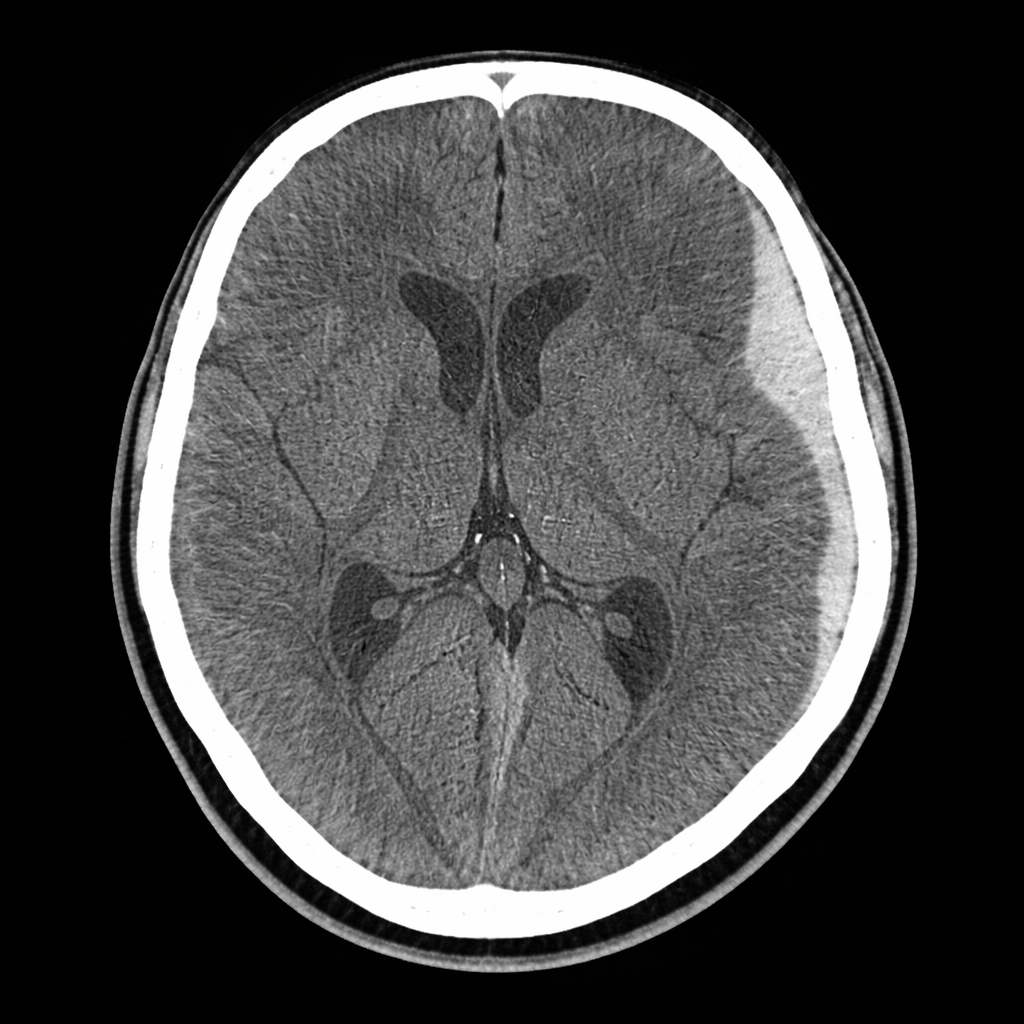
In Kincaid v. State, an eleven-month-old baby was dropped off at an in-home daycare appearing “alert and smiling.” Just a few hours later, the caregiver called 911 because the baby was unresponsive and foaming at the mouth. A CT scan revealed a large skull fracture, significant brain swelling, and a subdural hematoma on the left side of the brain. Doctors believed the injury occurred four to eight hours before the scan — placing it squarely during the child’s time in the caregiver’s home.
A neurosurgeon testified that the force required to cause this injury would be similar to a baseball bat strike or a car accident, not a simple fall. The forensic pathologist later confirmed the baby had:
Retinal hemorrhages
Perineural hemorrhages
Acute subdural and subarachnoid hemorrhages
A large skull fracture
The cause of death was determined to be blunt-force traumatic injuries to the head.
Over time, the caregiver gave five different stories about what happened. Eventually, she admitted she had slammed the child head-first onto the floor in frustration. That confession, combined with the medical evidence, led to a 30-year sentence.
This is an example of acute trauma:
Sudden collapse
Recent, severe injury
Large skull fracture
Extensive swelling
Clear timing
Force consistent with violent impact
Here, the medical evidence and the caregiver’s own statements told the same story.
Case Two: Injuries With Potentially Disputed Causes (In re R.A.)
In In re R.A., a very different situation unfolded.
A newborn baby was found pale, struggling to breathe, and crying unusually loudly after sleeping on the couch between his father’s legs. He was diagnosed with subdural hemorrhages, bleeding in the lumbar spine, and retinal hemorrhages “too numerous to count.” A pediatric child-abuse fellow concluded the injuries were consistent with non-accidental trauma involving rapid acceleration and deceleration — commonly associated with abusive head trauma.
DCS removed the child and filed a CHINS petition, arguing the injuries were “characteristic of abusive head trauma” without a viable explanation. The trial court applied Indiana’s rebuttable presumption statute, which shifts the burden to parents to explain injuries that would not ordinarily occur accidentally.
But the parents told a different story. The parents did not point to any specific event that could explain the baby’s injuries. They could only note that the baby had a larger head since birth and had been more fussy than usual in the days leading up to the medical emergency.
The court ultimately ruled that the injuries likely occurred minutes to hours before symptoms appeared, which placed the timing during the parents’ care. The CHINS adjudication was affirmed.
Unlike Kincaid, there was:
No confession
No skull fracture
No evidence of a specific violent act
Yet the legal outcome still involved state intervention.
Why These Two Cases Matter for Parents
At first glance, both cases involved babies with brain bleeding. Both led to serious legal consequences. But medically, they were very different.
In Kincaid, doctors saw:
A large, fresh skull fracture
Extensive soft-tissue swelling
Massive brain swelling
Clear evidence of recent, severe force
In R.A., the focus was on:
Subdural hemorrhages
Retinal bleeding
The timing of symptoms
The absence of a clear explanation
One case showed obvious traumatic injury. The other involved injuries that parents argued could have alternative explanations.
This difference matters because not all infant brain injuries are caused by abuse.
Not All Brain Bleeds Come From Trauma
Some babies have medical conditions that make them more prone to developing subdural hematomas — bleeding between the brain and the skull — even without significant trauma. One example is Benign Enlargement of the Subarachnoid Space (BESS).
Babies with BESS often have:
Larger heads
Extra fluid around the brain
More fragile blood vessels
Are typically very fussy
Because of this, they can develop chronic or recurring bleeding over time. Symptoms may appear suddenly, even though the underlying process has been developing for weeks or months.
These cases often show:
Mixed old and new bleeding
No skull fracture
Little or no soft-tissue swelling
No clear impact event
Gradual or unexplained symptoms
This type of presentation is different from what doctors saw in Kincaid. Some babies also have genetic conditions or bleeding disorders that make them more likely to develop subdural hematomas without any abuse at all. Certain clotting disorders can cause blood vessels to bleed more easily. Other inherited conditions can affect how fragile a child’s blood vessels are or how their body responds to minor stress or pressure.
That’s why a full medical workup matters. When genetic testing, clotting studies, and specialized imaging are done, the picture can change. What first looked like abuse may instead turn out to be a medical vulnerability that made the child more susceptible to bleeding.
And when those possibilities are properly explored and clearly explained, families have a much better chance of being treated fairly.
Why Expert Development & Consulting the Medical Records Makes the Difference
When a child has unexplained brain bleeding, the medical interpretation matters enormously. Many cases rise or fall on which experts are consulted and how the medical story is developed.
In some situations, the initial hospital evaluation may focus on whether the injury is “consistent with abuse.” But consistency is not the same as certainty. Without deeper imaging analysis, historical review, and specialized expertise, alternative explanations may never be fully explored. The New Jersey Supreme Court has also ruled that the “Shaken Baby” or “triad” diagnosis, standing alone, is not sufficient evidence to prove abuse without corroborating proof of trauma. These same arugemnts could apply to a case like RA.
In cases like RA (or similar infant brain injury cases), the outcome often depends on whether the defense presents a complete medical explanation or leaves the court with only one narrative: abuse.
With the right expert development, a case like this could show:
The child had an underlying condition that predisposed them to bleeding
The hemorrhages were chronic or mixed in age
There was no skull fracture or impact injury
Symptoms developed without a traumatic event
The medical pattern fit a non-traumatic process
Instead of focusing solely on “what could have happened,” the defense can show what medically makes sense.
When courts understand that some babies can bleed without being harmed, the entire tone of the case changes.
Vining Legal Can Help
When a medical emergency turns into a legal investigation, families deserve clear answers and strong advocacy. If you’re unsure what’s happening, what your rights are, or how to protect your family, getting legal advice early can make a real difference.
Vining Legal represents parents across Indiana in DCS, CHINS, and child-injury cases involving complex medical issues. We help ensure your child’s full medical history is considered and your voice is heard.
Call or text (317) 759-3225 to schedule a consultation.
