How Medical Evaluations at Riley Hospital Impact Indiana CHINS Cases
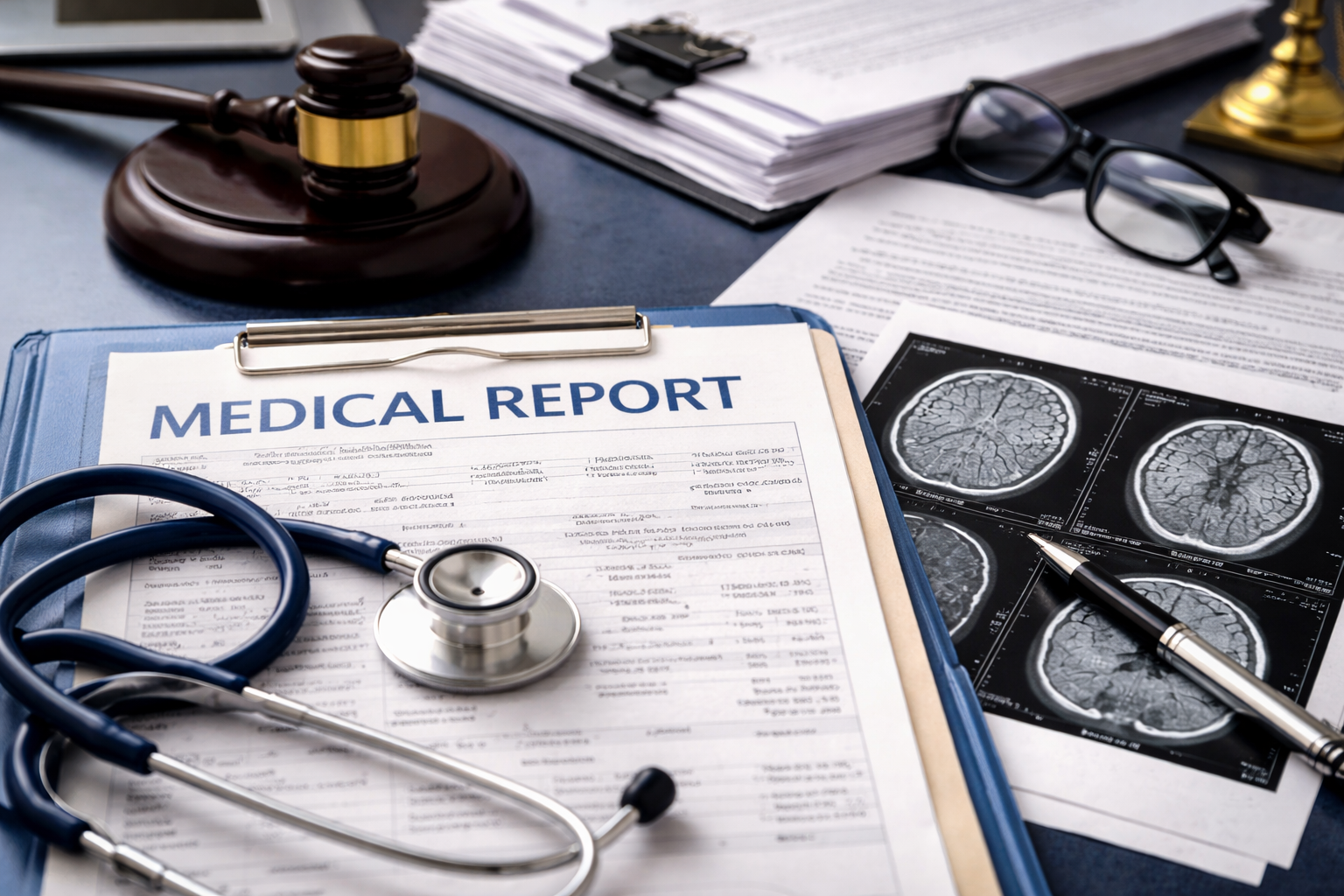
When a child is taken to Riley Hospital for Children for evaluation, parents are usually focused on one thing: making sure their child is okay.
But in Indiana CHINS cases, a medical evaluation at Riley can quickly become the foundation for a DCS investigation, emergency removal, and long-term court involvement.
Understanding how medical evaluations at Riley Hospital impact Indiana CHINS cases is critical if you are facing allegations of abuse or neglect. These evaluations carry significant weight — both medically and legally — and early strategy can change the course of a case.
At Vining Legal, we represent parents across Indiana in medically driven CHINS investigations. If your child has been evaluated at Riley and DCS is involved, call or text (317) 759-3225 or schedule a consultation here.
Why Riley Hospital Is Often Involved in Indiana CHINS Investigations
Riley Hospital serves as one of Indiana’s leading pediatric medical centers and they are contacted with DCS to evaluate allegations of child abuse. Their child abuse pediatricians frequently consult in cases involving unexplained injuries, fractures, intracranial bleeding, or other concerning findings.
When a child presents with certain medical findings, hospitals and physicians are mandated reporters under Indiana Code § 31-33. A report to DCS can trigger an investigation almost immediately.
Because Riley has a dedicated child abuse pediatrics team, DCS and law enforcement often rely heavily on its evaluations. In court, Riley opinions are frequently treated as highly authoritative. Judges understand Riley as a major medical institution, and that institutional credibility can significantly influence early CHINS hearings.
But it is important to remember: medical authority does not automatically equal legal proof or mean that their doctors have diagnosed everything correctly.
What Happens During a Riley Hospital Child Abuse Evaluation?
When a child abuse evaluation is initiated, the process can feel overwhelming and fast-moving.
Typically, it may include advanced imaging such as CT scans, MRIs, or skeletal surveys. Ophthalmology consultations may be ordered to evaluate for retinal findings. Laboratory testing may be conducted to assess for bleeding disorders or metabolic conditions. Specialists may consult one another.
In many cases, a child abuse pediatrician becomes the coordinating physician reviewing imaging, lab results, and clinical presentation. That physician may provide a formal written opinion regarding whether findings are consistent with accidental injury, non-accidental trauma, or an indeterminate cause.
That written opinion often becomes central to the DCS probable cause affidavit and the CHINS petition filed under Indiana Code § 31-34-1-1.
How Medical Findings Turn Into a CHINS Petition
In medically driven CHINS cases, the timeline moves quickly.
A medical opinion suggesting “non-accidental trauma” or unexplained injury can lead to:
Immediate DCS involvement
Emergency removal of the child
A probable cause hearing within days
Filing of a CHINS petition
At the probable cause stage, the court is not deciding guilt beyond a reasonable doubt. The standard is lower. The court is determining whether continued removal is necessary for the child’s safety pending further proceedings.
Medical language in reports can heavily shape that initial decision. Phrases such as “consistent with non-accidental trauma” or “no plausible explanation” often carry substantial persuasive weight.
But those phrases are opinions — and opinions can be examined, tested, and challenged.
Strategic Issue: When the Child Abuse Pediatrician Takes Over Medical Management
One of the most important — and least discussed — dynamics in these cases is what happens after the initial evaluation.
In some medically driven CHINS cases, the child abuse pediatrician becomes the primary coordinating physician managing the child’s care. Other specialists may defer to that physician’s interpretation of findings. Treatment recommendations, safety plans, and discharge decisions may be influenced by that framework.
From a legal perspective, that shift can matter.
When a single interpretive lens frames both the medical narrative and the legal narrative, it can shape:
How injuries are categorized
Whether alternative diagnoses are explored fully
What follow-up testing is recommended
How DCS evaluates parental risk
This is not about interfering with medical care. It is about ensuring comprehensive, balanced care.
Parents generally retain the right to seek independent medical opinions. In appropriate cases, it may be advisable to involve the child’s regular pediatrician or a relevant subspecialist to review findings. A hematologist, geneticist, neurologist, or orthopedist may have expertise relevant to specific medical questions.
Early legal guidance can help families navigate this carefully — ensuring that the child receives appropriate medical treatment while also preserving the ability to challenge overstated conclusions.
Do Riley Hospital Findings Automatically Prove Abuse?
No.
Medical findings must be interpreted in context.
Many conditions can present with findings that require careful differential diagnosis. For instance abusive head trauma- a lot of times that diagnosis can be explained by other issues such as benign enlargement of the subarachnoid spaces (BESS), metabolic issues, blood disorders, or birth-related factors may be part of the discussion. The. same follows for broken bones or ribs - sometimes that may be attribtued to a medical procedure or childbirth
The existence of a concerning medical finding does not automatically establish abuse. Courts ultimately decide CHINS cases based on the evidence presented at fact-finding, where the standard is a preponderance of the evidence.
Independent expert review is sometimes critical in medically complex cases. A second opinion may identify alternative explanations or highlight areas where conclusions are less certain than initial reports suggest.
Medical science can be nuanced. Legal outcomes should reflect that nuance.
How Riley Medical Reports Are Used in CHINS Court
At the CHINS fact-finding hearing, the court determines whether DCS has proven the statutory elements under Indiana law.
Medical testimony often plays a central role. Child abuse pediatricians may testify regarding imaging findings, timelines of injury, and whether explanations provided are medically plausible.
Judges tend to give substantial weight to medical experts, particularly those from respected institutions.
However, medical experts are subject to cross-examination. Their conclusions can be tested. Alternative explanations can be presented. Assumptions can be challenged.
A medically driven CHINS case is not over simply because a report was written.
What Parents Should Do Immediately After a Riley Evaluation
If your child has undergone a Riley child abuse evaluation and DCS becomes involved, timing matters.
First, obtain complete medical records — including imaging reports, lab results, and consultation notes. Second, consult an attorney experienced in Indiana CHINS medical cases before making strategic decisions or statements. Third, discuss whether independent medical review is appropriate.
These early steps can influence how the case unfolds.
Waiting until fact-finding to evaluate medical strategy can limit your options.
If you are in this situation now, call or text (317) 759-3225 or schedule a confidential consultation. Early strategy can significantly affect medically driven CHINS cases.
Why Early Strategy Changes Outcomes in Medically Driven CHINS Cases
Medical evaluations at Riley Hospital impact Indiana CHINS cases in powerful ways. They shape the initial narrative. They influence removal decisions. They frame how DCS views risk.
But that narrative is not unchangeable.
With early legal involvement, it is possible to:
Ensure comprehensive medical evaluation
Identify alternative diagnoses where appropriate
Prepare for effective cross-examination
Protect parental rights during investigation
CHINS proceedings move quickly. Removal decisions happen fast. Medical opinions are formed early.
The sooner you engage counsel who understands both the medical and legal dynamics of these cases, the more control you retain.
Speak With an Indiana CHINS Defense Attorney
If your child has been evaluated at Riley Hospital and DCS has filed or is threatening to file a CHINS case, you do not have to navigate this alone.
At Vining Legal, we represent parents throughout Indiana in medically driven CHINS investigations, emergency removals, fact-finding hearings, and appeals.
Medical evaluations at Riley Hospital can profoundly impact Indiana CHINS cases — but they do not automatically decide them.
Call or text (317) 759-3225 or schedule a confidential consultation at:
https://indianalawyer.esq/contact
Your child’s medical care matters. So does your family’s future.
Reading about the problem is one thing. Dealing with it is another.
If this issue is affecting you, your family, your case, or your career, the next step is understanding how the law applies to the facts in front of you. Tell us what is happening and Vining Legal can help you determine what needs attention next.
We personally respond within 2 hours, 8am–8pm, seven days a week.
Vining Legal · Indianapolis, Indiana
Family Law · DCS · Criminal Defense · Appeals
